
 By Carl Ivory
Introduction: Real Estate as a Mirror of Society
Real estate is far more than land, bricks, and mortar. It is an industry that quietly shapes how we live, work, and interact—an ever-evolving canvas upon which our economic ambitions, social structures, and cultural values are projected. From the bustling streets of urban centers to the quiet promise of suburban sprawls, real estate reveals the story of a society in constant motion. To study its nuances is to gain insight into wealth creation, community identity, and the perennial dance between progress and preservation.
A Brief History: From Shelter to Asset Class
For most of human history, property served its simplest purpose—shelter. In ancient civilizations, land ownership was a privilege of the powerful. Over time, real estate evolved into a commodity, and with the rise of modern capitalism, it became one of the most dependable vehicles for wealth accumulation.
The 20th century witnessed profound shifts: suburbanization reshaped cities after World War II, and the rise of commercial skyscrapers redefined skylines. Today, real estate stands as both necessity and investment, balancing personal dreams of homeownership with corporate portfolios worth billions.
The Building Blocks: Understanding Real Estate’s Core Sectors
Modern real estate encompasses diverse sectors, each with distinct dynamics yet interconnected by economic forces.
Key sectors include:
-
Residential: Single-family homes, apartments, and condominiums—this is where real estate most directly intersects daily life.
-
Commercial: Office buildings, retail spaces, and industrial warehouses that power commerce and employment.
-
Hospitality: Hotels and resorts that cater to global travel and tourism.
-
Land: Undeveloped property, often the raw material for future growth.
-
Specialty Real Estate: Mixed-use developments, data centers, and healthcare facilities represent evolving niches driven by modern demands.
Each of these plays a unique role in shaping urban form, investment trends, and the experience of space itself.
The Residential Dream: More Than Just Four Walls
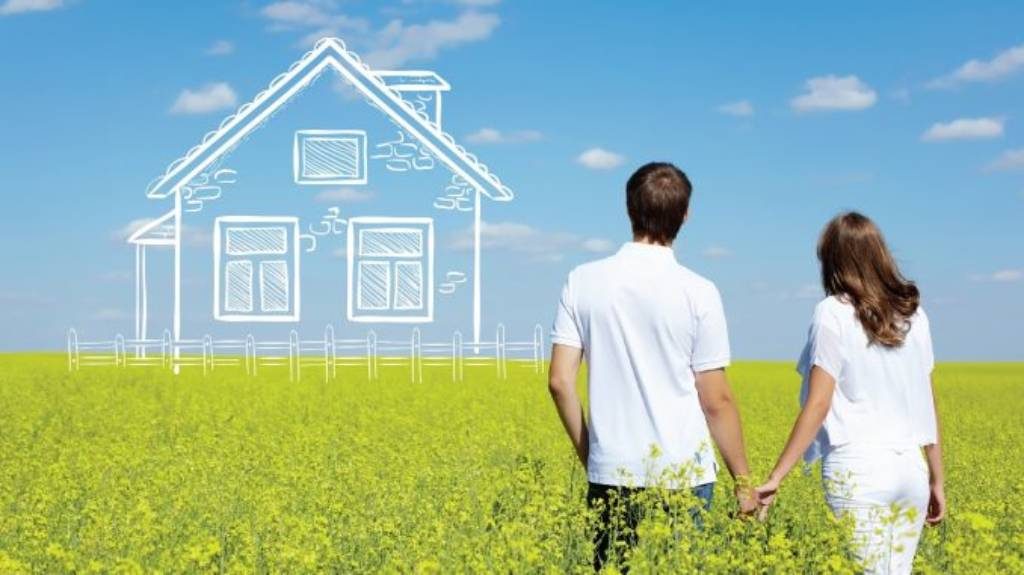
For many, owning a home is the pinnacle of financial security and personal pride. Yet this dream comes with complex realities.
Factors shaping the residential market today include:
-
Affordability Gaps: In many cities, soaring prices have made homeownership unattainable for younger generations, fueling debates about wealth inequality.
-
Urban vs. Suburban: While urban cores promise connectivity and culture, suburban areas attract families seeking space and perceived safety—an equation COVID-19 further complicated.
-
Rental Markets: With ownership out of reach for many, robust rental demand drives new investment models, from build-to-rent communities to co-living spaces.
-
Sustainability: Eco-friendly construction, energy-efficient designs, and smart-home technologies are increasingly not luxuries but expectations.
Housing remains more than an asset—it is a symbol of stability, community, and aspiration.
Commercial Real Estate: Adapting to a Shifting World
The commercial sector often acts as a barometer for broader economic health. Offices, shops, and industrial sites reflect trends in work, trade, and consumption.
Major shifts transforming commercial real estate include:
-
Hybrid Work: Remote work has forced landlords and tenants alike to rethink office design, lease structures, and even the purpose of central business districts.
-
Retail Evolution: The rise of e-commerce has shuttered some brick-and-mortar stores while boosting demand for last-mile distribution hubs.
-
Flexible Spaces: Co-working spaces and pop-up retail demonstrate a pivot toward agility and experience over permanence.
-
Logistics Boom: E-commerce growth fuels demand for warehouses and data centers, making industrial real estate an unexpected star performer.
Commercial properties must now be more adaptable than ever, catering to tenants who expect flexibility and technology integration.
The Investor’s Perspective: Real Estate as a Wealth Engine
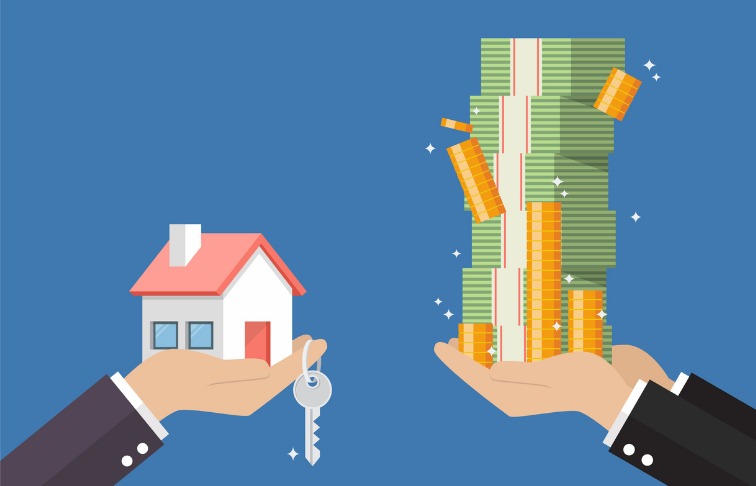
Real estate has long been a favored investment for individuals and institutions alike, prized for its perceived stability and tangible value.
Attractive qualities for investors include:
-
Income Generation: Rental income provides steady cash flow, often outpacing bonds or dividends.
-
Appreciation: Well-located property typically gains value over time, building equity.
-
Diversification: Real estate can hedge against inflation and balance risk in a portfolio.
-
Leverage: Mortgages allow investors to amplify returns with borrowed capital.
However, like any asset class, real estate is not without risks. Market cycles, regulatory changes, and unexpected events—such as the 2008 housing crisis—underscore the need for due diligence and long-term perspective.
Challenges and Controversies: Shadows Behind the Facades
While real estate generates wealth, it can also deepen social divides and raise thorny ethical questions.
Key challenges today include:
-
Gentrification: Revitalizing neighborhoods can displace long-term residents, altering communities irreversibly.
-
Housing Crises: From major metropolises to growing mid-sized cities, housing shortages strain affordability and widen inequality.
-
Climate Risk: Rising sea levels, wildfires, and extreme weather events threaten properties worldwide, forcing the industry to grapple with resilience and insurance dilemmas.
-
Speculation: In some markets, real estate speculation has fueled bubbles, pricing locals out and hollowing neighborhoods into investment shells.
These tensions demand thoughtful policy, responsible development, and a balance between profit and people.
Sustainability: Building Toward a Greener Future
Few industries have as profound an impact on the planet as real estate. Buildings account for nearly 40% of global carbon emissions when factoring in construction and operation.
Innovations reshaping sustainable real estate include:
-
Green Building Standards: Certifications like LEED and BREEAM encourage eco-friendly materials and energy efficiency.
-
Adaptive Reuse: Repurposing old structures minimizes waste and preserves heritage.
-
Smart Buildings: IoT systems optimize energy usage, reduce costs, and enhance tenant comfort.
-
Urban Planning: Mixed-use developments and transit-oriented projects reduce sprawl and promote walkability.
Sustainability is no longer a trend but an imperative that forward-thinking developers embrace for ethical and economic reasons alike.
The Road Ahead: Navigating Tomorrow’s Landscape
The future of real estate will be shaped by shifting demographics, technological leaps, and societal demands for equity and sustainability.
Emerging trends to watch include:
-
PropTech: From virtual tours to blockchain-enabled transactions, technology is streamlining how we buy, sell, and manage property.
-
Affordable Housing Solutions: Creative approaches like micro-units, modular construction, and community land trusts seek to bridge housing gaps.
-
Resilient Cities: Climate adaptation is driving investments in resilient design, green infrastructure, and disaster preparedness.
-
Community-Focused Development: New generations favor walkable neighborhoods, vibrant public spaces, and a strong sense of place over isolated suburbs.
Navigating these changes will require imagination, collaboration, and a renewed commitment to building places that serve both profit and people.
Conclusion: More Than Property—A Shared Responsibility
Real estate stands at the intersection of individual ambition and collective responsibility. It is how we root ourselves in place, where we raise families, build businesses, and foster community. Done well, it creates thriving cities, resilient neighborhoods, and enduring wealth. Done poorly, it deepens divides and damages the very fabric it seeks to support.
As we shape the next generation of homes, offices, and public spaces, the question remains: What kind of legacy do we wish our buildings and neighborhoods to leave behind? The answer will define not only skylines but also the soul of our communities for decades to come.