 By Carl Ivory
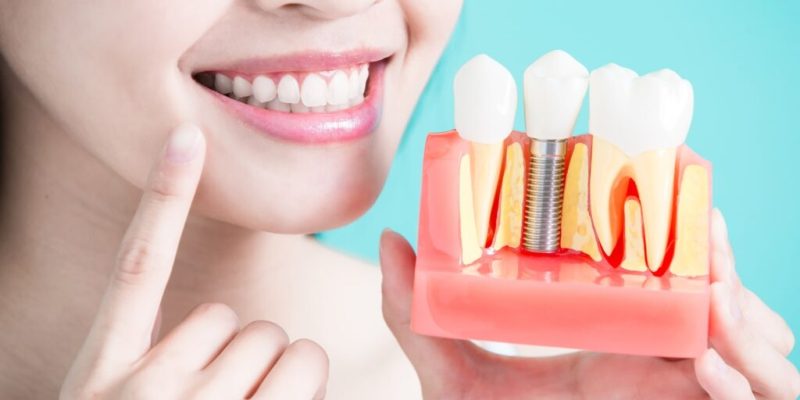
Dental implants are often described as replacement teeth, but their real strength depends on what sits underneath them. An implant is anchored into the jaw, so success is not only about the visible crown or the skill of the final restoration. It begins with the quality and volume of the bone supporting that implant. Patients frequently seek treatment after years of wear, gum disease, tooth loss, or failed dental work, bone condition is a decisive part of treatment planning. When bone is too thin, too soft, or reduced in height, an implant may not be stable enough to heal properly or last over time.
A cosmetic dentist from MaryleboneSmileClinic notes that many patients are surprised to learn how often implant success depends on preparing the site before the implant is inserted. In straightforward terms, bone grafting London is often recommended not to complicate treatment, but to create the right conditions for secure healing, long-term function, and a more natural-looking result. That advice is especially relevant for patients who have delayed replacing a missing tooth and assumed the main issue was simply the gap.
After a tooth is removed or lost, the surrounding bone usually begins to shrink. This happens because the jaw is no longer receiving the stimulation that a natural tooth root once provided. The process can be gradual, so patients may not notice anything obvious at first. However, by the time they decide to explore implants, there may already be significant bone loss. Bone grafting helps rebuild or preserve the area so that the implant has a more reliable foundation. It is not a cosmetic extra. In many cases, it is the reason an implant becomes possible at all.
Bone Grafting Rebuilds the Foundation Lost After Tooth Removal
The first and most important way bone grafting supports implant success is by restoring the basic structure that has been lost. Tooth loss affects more than appearance. Once a tooth is gone, the bone around it begins to resorb because it no longer has a functional role. This can leave a site too narrow or shallow for implant placement. If an implant is placed without enough surrounding bone, its position may be compromised, or the implant may fail to integrate properly during healing.
Bone grafting addresses that problem by adding material to the affected area so the body can regenerate new bone over time. Depending on the case, the graft may be placed at the same time as an extraction, several months before implant placement, or during the implant procedure itself. The aim is to create a site that can hold the implant securely and allow the bone to bond to its surface. In implant dentistry, that bond is essential. Without it, there is no dependable anchor for biting and chewing.
This matters particularly in London practices where patients often present with complex histories. Some have worn removable dentures for years. Others have delayed treatment because a back tooth did not seem urgent. In both situations, the amount of available bone may have reduced further than expected. Rebuilding the site is therefore less about adding volume for its own sake and more about restoring the conditions the implant needs to function. A strong foundation cannot be improvised once the implant is already under pressure.
It Helps Achieve the Correct Implant Position, Not Just Any Position
A second major benefit of bone grafting is that it gives the clinician greater control over implant placement. This point is often overlooked by patients, who may assume that if there is enough room to fit an implant somewhere, the job is done. In reality, the exact position matters a great deal. An implant needs to be placed at the right angle, depth, and distance from neighbouring teeth so that the final tooth looks natural, cleans easily, and functions comfortably.
When bone has been lost unevenly, the available space may force the implant into a less than ideal position. That can create problems later. The crown may emerge at an awkward angle, the gum line may look uneven, or cleaning around the implant may become more difficult. Bone grafting gives the specialist the ability to rebuild deficient areas and place the implant where it should go rather than where the remaining bone happens to allow it. That distinction has a direct effect on both aesthetics and long-term maintenance.
This is especially relevant in visible parts of the smile, where even small positioning errors can change the final result. Front teeth demand careful planning because patients notice symmetry, gum levels, and tooth shape immediately. However, the same principle applies to back teeth as well. Poorly positioned implants can affect bite balance and place extra strain on surrounding teeth. By rebuilding bone first, clinicians improve the odds that the implant can be placed in a prosthetically sound position, which means the final restoration is more predictable from the outset.
It Supports Better Gum Contours and a More Natural Appearance
The third way bone grafting helps implant success is by supporting the soft tissues around the final tooth. Patients often think of implants in mechanical terms, but appearance is closely linked to the bone underneath the gums. Where bone is deficient, the gum may collapse or sit unevenly, making the replacement tooth look longer, flatter, or less natural than the adjacent teeth. In other words, bone loss does not stay hidden. It changes the way the gum frames the smile.
By rebuilding the underlying structure, a graft can help preserve or improve the contours that support the final crown. This is particularly important in the upper front jaw, where the difference between a natural result and an artificial one is often determined by subtle tissue support rather than the visible tooth alone. Even when the implant itself is stable, a poor surrounding contour can make the treatment look less convincing. Patients may not know why the result seems wrong, but they usually notice when it does not blend well.
In busy urban settings such as London, many implant patients are working professionals who want replacement teeth to feel discreet and believable. They are not only asking whether the implant will stay in place. They want to know whether it will look like it belongs there. That is one reason discussions around bone grafting London continue to matter in practice. The graft is not simply about enabling surgery. It can have a direct effect on the final appearance, helping the implant-supported tooth emerge in a way that mimics the support once provided by a natural root.
It Protects Against Problems in Challenging Areas of the Jaw
The fourth benefit of bone grafting is that it makes treatment possible in areas where anatomy would otherwise limit implant placement. The upper jaw, in particular, can be difficult after bone loss because the maxillary sinus sits close to the roots of the upper back teeth. When those teeth are missing for some time, the bone height beneath the sinus may reduce to the point where an implant cannot be placed safely without additional preparation. In such cases, grafting techniques can create the space needed for a stable implant.
The lower jaw brings different concerns, including proximity to the nerve that supplies sensation to the lip and chin. Where bone has narrowed or reduced in height, planning becomes more complex and less forgiving. Bone grafting can help restore safer working dimensions and reduce the pressure to compromise implant length or position. While every case requires individual imaging and assessment, the principle remains the same: rebuilding the site improves the specialist’s options and reduces reliance on less ideal shortcuts.
This does not mean grafting eliminates all complexity. It still requires careful case selection, good healing, and thorough aftercare. Yet it often turns borderline cases into manageable ones. For patients who have been told in the past that implants may not be possible, modern grafting procedures can change the outlook significantly. Rather than accepting bone loss as the end of the conversation, clinicians can often intervene earlier in the biological process and create enough support for implant treatment to proceed with far greater confidence.
It Improves Long-Term Stability by Supporting the Implant Over Time
The fifth and final reason bone grafting enables implant success is that it can improve long-term stability, not just initial placement. Implant dentistry is not judged only by whether the implant integrates in the first few months. A successful outcome should remain stable under daily function for years. That depends on how the bone responds over time to chewing forces, hygiene, and the health of surrounding tissues. An implant with inadequate support may survive initially but become more vulnerable to strain, bone loss, or peri-implant complications later.
By creating a stronger volume of healthy bone around the implant, grafting can help distribute forces more evenly and support more favourable maintenance conditions. This is important for patients who grind their teeth, have previously lost teeth through periodontal disease, or need multiple implants in one area. In these cases, the bone needs to do more than accept a fixture. It must keep supporting that fixture under repeated load. The more stable the bone environment, the more predictable the long-term outlook tends to be.
Patients sometimes worry that grafting means the treatment is becoming excessive or unusually complex. In fact, the opposite is often true. It can be the step that reduces risk later by addressing a weakness before it compromises the whole restoration. Implant treatment is at its best when it is planned with longevity in mind, not just speed. Rebuilding the site before or during implant placement can be part of that long-term thinking, especially where bone loss has already altered the anatomy in a meaningful way.
What London Patients Should Ask Before Starting Implant Treatment
For anyone considering implants, the practical question is not whether bone grafting sounds technical, but whether it is necessary in their case and what benefit it offers. A proper consultation should include imaging, discussion of bone levels, explanation of timing, and clear reasons for any graft being recommended. Patients should understand whether the graft is intended to preserve bone after extraction, rebuild a thin ridge, support gum contours, or prepare a more challenging area of the jaw. Those distinctions matter because they shape both the treatment pathway and the expected result.
In London, access to implant treatment is wide, but the quality of planning can vary. Patients should not feel rushed into focusing only on the visible tooth replacement without understanding the condition of the supporting bone. The most durable implant outcomes usually come from careful preparation rather than speed. Bone grafting is not required in every case, but where it is indicated, it often explains why one treatment plan is more reliable than another. A well-informed patient is therefore in a better position to weigh time, cost, and benefit realistically.
Ultimately, implants succeed because biology and engineering work together. The visible restoration may be what patients notice first, but the bone underneath determines whether that restoration can function properly and remain stable. Bone grafting earns its place in implant dentistry because it addresses the part of the problem that cannot be solved by the crown alone. For many patients, that is the step that turns a limited option into a dependable one, making implant treatment not only possible, but far more likely to succeed in the long term.