
 By Carl Ivory
When you are deep into a plumbing repair, nothing is more frustrating than a frozen connection. You reach for a pipe wrench, apply firm, steady pressure, and are met with absolute, stubborn resistance. Whether it is a corroded compression nut under a vanity or a seized union on a water heater, those moments turn simple maintenance into significant challenges.
In these situations, applying a high-performance best penetrating oil for plumbing is often the deciding factor between a successful DIY repair and a damaged pipe that requires a professional emergency call.
The Science of Seizure: Why Connections Fail
Before applying any product, it is helpful to understand why metal joints seize. In many home environments, moisture is constant. When iron, brass, or galvanized steel components remain in humid conditions, oxidation—commonly known as rust—forms between the threads. This rust creates a mechanical lock.
Furthermore, mineral deposits from hard water can solidify inside thread gaps, acting like a cement. In exterior settings or crawl spaces, temperature fluctuations cause metal to expand and contract, pulling dirt and debris deeper into the thread structure. When you attempt to turn a nut, you are effectively trying to grind these hard deposits and oxidized particles into even tighter spaces.
How Specialized Lubricants Work
A true penetrating oil is designed with a very low surface tension, allowing it to wick into microscopic spaces where standard machine oils or greases simply cannot go. These formulas are engineered to break the molecular bond of the rust and leave behind a lubricating film that reduces friction.
Unlike general-purpose household sprays, a high-quality penetrating oil for plumbing incorporates specific surfactants that migrate vertically—often against gravity—to saturate the entire length of the rusted thread. By allowing the fluid time to soak, the chemical agents dissolve the bonds holding the connection in place, which is why patience is your most valuable tool during the process.
Strategic Application for Seized Pipe Fittings
Success in breaking a seized fitting depends largely on your methodology. If you spray a product and immediately put a wrench to the metal, you are likely to strip the bolt or fracture the pipe.
The Soaking Method
- Clean the Surface: Use a wire brush to clear away loose flakes of rust or grime from the exposed threads. This allows the fluid to reach the actual seam of the joint.
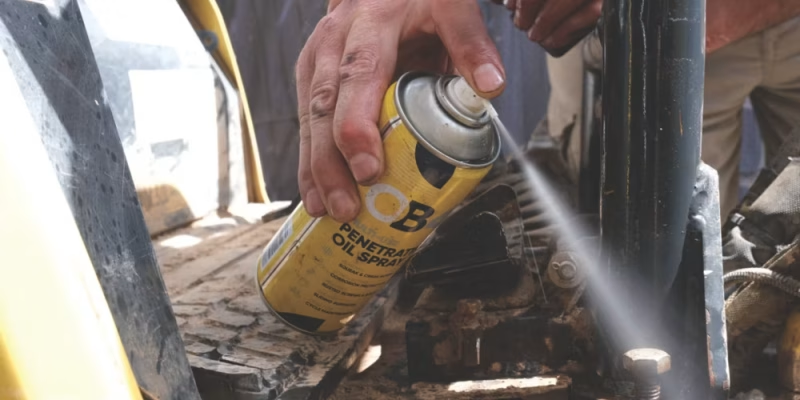
- Apply the Product: Generously coat the seam. If the pipe is oriented vertically, apply the lubricant at the top of the thread and allow it to seep downward.
- The Thermal Advantage: If the plumbing materials are safe for heat (such as iron or heavy-duty steel), tapping the side of the nut gently with a hammer can create vibrations that help the fluid travel deeper into the threads.
- The Patience Window: Allow the product to sit for at least 15 to 30 minutes. In cases of severe, long-term corrosion, waiting several hours—or even overnight—is often necessary to ensure the liquid reaches the innermost threads.
Navigating Material Compatibility
Not all plumbing components react well to every solvent. When choosing the best penetrating oil for plumbing, consider the materials involved.
- PVC and CPVC: Exercise extreme caution. Many solvent-based penetrating products contain petroleum distillates that can soften or degrade plastic materials. For these pipes, use only silicone-based or water-based lubricants specifically labeled as plastic-safe.
- Copper and Brass: These soft metals are prone to marring. Ensure your wrench is adjusted perfectly to avoid stripping the soft brass nuts often found on shut-off valves. A good penetrating oil will help the nut turn more smoothly, but it cannot fix a rounded-off edge.
- Galvanized Steel and Iron: These are the most common victims of rust. High-solvent, heavy-duty oils are ideal here. They work aggressively to dissolve the oxidation that causes these heavy-duty pipes to lock up.
Understanding When to Stop
There is a limit to what any penetrating oil can accomplish. If you have applied the product, waited the appropriate time, and the fitting still will not budge, applying excessive force is a recipe for disaster.
If the pipe begins to twist or the metal sounds like it is straining, stop immediately. Attempting to force a seized joint often leads to a hairline fracture in the pipe, which could result in a catastrophic leak if the pipe snaps behind a wall or under a floor. In these instances, calling a professional is the safest path to avoid escalating a minor repair into a major home renovation.
Preventive Maintenance: Stopping Clogs Before They Start
While we often think of these oils as tools for reactive repair, they serve a preventive purpose as well. If you have accessible plumbing connections—such as those under a sink or behind an access panel—a light maintenance spray once a year can prevent the initial formation of rust.
By keeping the exposed threads of nuts and bolts lightly coated, you prevent moisture from settling into the grooves. This simple act keeps the equipment “serviceable,” ensuring that if you do need to replace a faucet or a supply line in the future, the job remains a quick swap rather than a struggle.
What to Look for in a Quality Product
When searching for the best penetrating oil for plumbing at your local hardware store, look for the following characteristics:
- Low Viscosity: It should behave like water, not like syrup. If it is too thick, it will not travel into the tight threads.
- Corrosion Inhibition: The best formulas don’t just break existing rust; they leave behind a protective layer that prevents new rust from forming immediately.
- Safety Standards: Check the label for compatibility with rubber and plastic components. If you are working on a sink, you will likely encounter rubber washers and gaskets that can be damaged by harsh industrial solvents.
- Delivery System: Look for a product with an attached “straw” or precision nozzle. This allows you to apply the fluid exactly where you need it, minimizing waste and preventing the mess from spreading across your finished cabinetry or tile.
Final Thoughts on Plumbing Efficiency
The right tools define the success of any home project. While specialized chemicals are an essential part of the professional plumber’s kit, they are also an accessible resource for the homeowner. By understanding the chemistry behind seized joints, knowing which materials require extra care, and practicing the patience needed for the fluids to perform their job, you can handle most plumbing connections with confidence.
Remember that a penetrating oil is a chemical aid, not a magic wand. Always wear protective eye gear during application, as drips from overhead pipes can be hazardous. With the right approach, you will spend less time fighting with rusted metal and more time enjoying a fully functional, leak-free home.