
 By Carl Ivory
Introduction: The Automobile as More Than a Machine
When Karl Benz unveiled his Motorwagen in 1885, few could have foreseen how this rattling contraption would redefine how humanity moves, works, and dreams. Today, the automobile is far more than a means of getting from point A to point B—it is an emblem of innovation, freedom, social change, and environmental challenge. As we stand on the brink of the next automotive revolution, it is worth exploring not only where we have been but where the road ahead might take us.
A Century of Transformation: How the Car Shaped Modern Society
Cars revolutionized urban planning, economies, and individual identity. The 20th century was, in many respects, the age of the automobile. With the introduction of assembly lines by Henry Ford, vehicles became accessible to the masses, no longer reserved for the elite.
Key societal shifts driven by the automobile include:
-
Urban Sprawl: Highways and cars enabled cities to spread outward, giving birth to suburbs.
-
Economic Growth: Auto manufacturing remains a pillar of many national economies, employing millions worldwide.
-
Cultural Symbol: From muscle cars to luxury sedans, automobiles have come to reflect aspirations, status, and even rebellion.
However, this freedom came at a cost—pollution, traffic congestion, and a hefty dependence on fossil fuels.
The Modern Car: Smarter, Greener, More Connected
Today’s cars bear little resemblance to their ancestors in terms of capability and design philosophy. Vehicles are rapidly evolving into smart devices on wheels.
Noteworthy trends reshaping the auto landscape include:
-
Electrification: Electric vehicles (EVs) are no longer niche experiments but mainstream contenders. Tesla’s market dominance pushed legacy manufacturers to invest billions in battery technology and charging infrastructure.
-
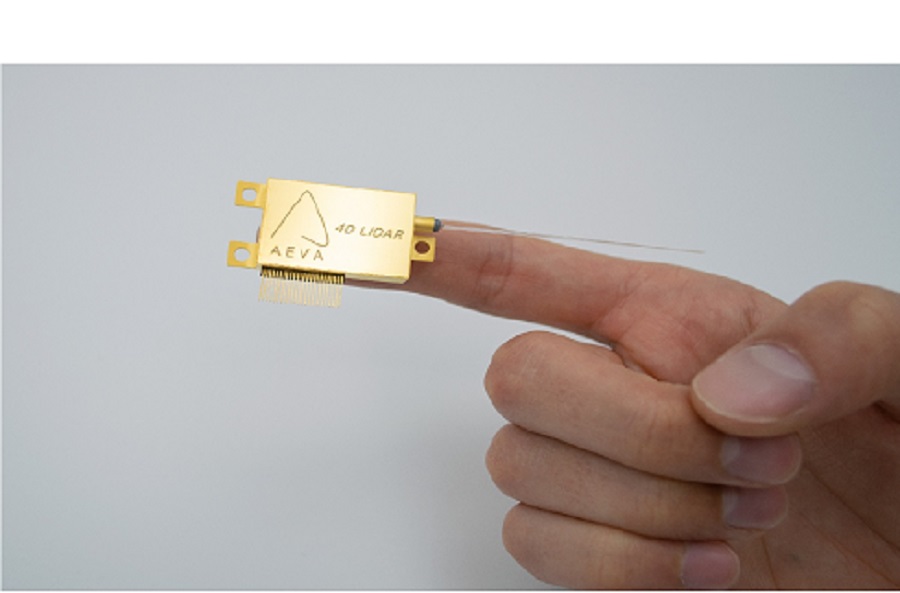
Autonomous Driving: Self-driving technology, once confined to science fiction, is slowly becoming reality. Companies like Waymo and traditional automakers are testing fleets that promise to reduce accidents and free up time for passengers.
-
Connectivity: Modern vehicles are equipped with sophisticated infotainment systems, internet connectivity, and real-time diagnostics, transforming the driving experience.
Yet, these advancements bring their own challenges—cybersecurity threats, ethical dilemmas about AI decision-making, and a need for entirely new infrastructure.
Sustainability: The Imperative That Drives Innovation
Environmental concerns have forced the industry to rethink old habits. The internal combustion engine, a symbol of industrial might, is now seen by many as an environmental liability. To mitigate climate change, countries are introducing strict emission standards and incentives for green vehicles.
Key pillars of sustainable automotive design include:
-
Battery Innovation: The push for lighter, longer-lasting, and recyclable batteries is fierce, with breakthroughs in solid-state technology promising significant leaps forward.
-
Alternative Fuels: Hydrogen fuel cells and biofuels provide alternative paths for sectors where electrification may be less practical, such as heavy-duty transport.
-
Circular Economy: Automakers are increasingly embracing recycling, remanufacturing, and sustainable sourcing of materials to lower their carbon footprint.
The Consumer’s Changing Mindset
A subtle yet profound transformation is occurring—not just in the cars themselves but in how people perceive car ownership. For generations, a car represented independence and adulthood. Now, urban dwellers, especially younger ones, question the need to own a vehicle outright.
New mobility models gaining traction include:
-
Car Sharing: Companies like Zipcar offer convenient access without the burden of ownership.
-
Ride-Hailing: Services such as Uber and Lyft have normalized the idea of vehicles as a service, not a possession.
-
Micromobility: E-scooters and electric bikes fill gaps in urban transport, reducing short car trips.
This shift has significant implications for automakers, who must adapt to consumers prioritizing flexibility, sustainability, and connectivity over horsepower and chrome.
Challenges on the Road Ahead
While the future looks promising, it is not without speed bumps. The global semiconductor shortage underscored the fragility of complex supply chains. Trade tensions and fluctuating raw material costs add further uncertainty. Moreover, transitioning millions of workers from traditional assembly lines to high-tech EV and autonomous vehicle production requires extensive reskilling and political will.
Safety and privacy concerns around autonomous vehicles also linger. Who bears responsibility when a self-driving car makes a fatal mistake? How do we prevent connected cars from becoming targets for hackers? These are no longer theoretical questions but pressing realities.
What Lies Beyond: The Car of Tomorrow
Peering into the future, the automobile might cease to be an individually owned machine altogether. Instead, we may see seamless networks of shared, electric, autonomous pods shuttling people around smart cities designed to minimize congestion and pollution.
The concept car of tomorrow could be:
-
Fully autonomous, freeing passengers to work, read, or rest.
-
Powered by renewable energy, with zero tailpipe emissions.
-
Integrated into urban infrastructure, communicating with traffic lights and other vehicles to optimize flow and safety.
Conclusion: Driving Toward an Uncharted Horizon
For all the marvels that the auto industry has brought us, its greatest challenge—and opportunity—lies ahead. The next century will demand balancing convenience with responsibility, innovation with ethics, and freedom with sustainability.
In the end, the automobile’s evolution mirrors our own. It reflects our ingenuity, our appetite for exploration, and our willingness to confront the unintended consequences of progress. As we buckle up for this next chapter, one thing is certain: the road ahead, like the car itself, will keep us moving forward.